Can You Install an Air Source Heat Pump in a Terraced or Semi-Detached House?
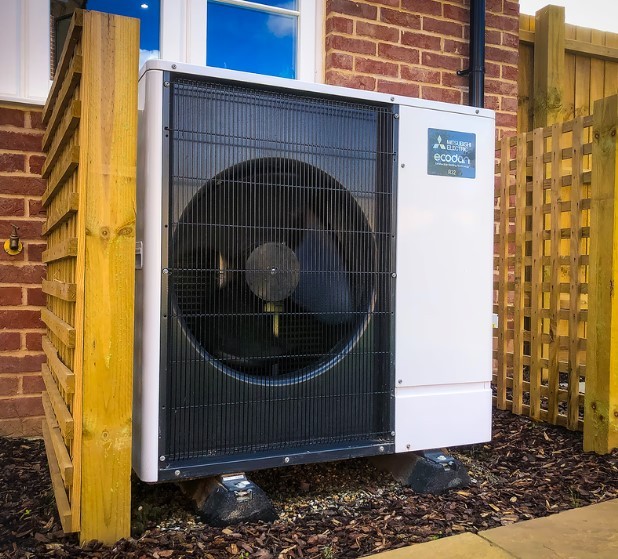
The shift toward renewable energy has led many UK residents in terraced and semi-detached properties to wonder if their homes are suitable for air source heat pumps (ASHPs). While these house types often have limited outdoor space, modern advancements in technology and recent legislative updates have made installation more accessible than ever before.
Ensuring your transition to low-carbon heating is successful requires a clear understanding of local planning rules and the specific spatial requirements of your property. By navigating these factors with professional guidance, you can enjoy a more sustainable and cost-effective home without the need for a sprawling garden or a detached plot.
Navigating the 2025 Permitted Development Updates
For years, the ‘one-metre boundary rule’ was a significant hurdle for owners of smaller UK homes, as it required the outdoor unit to be placed at least a metre away from any property line. However, a landmark change in English planning law in May 2025 has scrapped this restriction, allowing units to be positioned much closer to fences or walls.
To make the most of these updated regulations, you should consider how they apply to your installation:
Take advantage of the removed boundary rule to install units in narrow ‘side returns’ or compact courtyards where space is at a premium.
Benefit from the increased allowable volume for outdoor units, which has been raised to 1.5 cubic metres to accommodate more powerful systems.
Verify that your project still falls under ‘Permitted Development’ to avoid the need for a full, costly planning application with your local council.
These updates are specifically designed to support the ‘green’ transition in densely populated urban areas. They provide the flexibility needed to find a discreet location for your heat pump that doesn't interfere with your daily use of the garden.
Meeting Modern Noise and Vibration Standards
Noise is a common concern in semi-detached and terraced environments where neighbours live in close proximity. To qualify for Permitted Development and various government grants, your installation must comply with the MCS 020 standard, which ensures noise levels remain below a strictly defined threshold.
To ensure your system complies with local regulations and maintains the peace of your neighbourhood, consider the following advice:
Position the unit on a solid concrete base or use high-quality anti-vibration mounts to prevent sound from travelling through the ground or walls.
Choose a modern, ultra-quiet model that operates at decibel levels comparable to a domestic refrigerator or a quiet library.
Avoid placing the unit directly beneath a neighbour's bedroom window or in a resonant corner that could amplify the operational hum.
Professional installers use acoustic calculation tools to ensure your system respects the peace of the neighbourhood. When correctly fitted, a heat pump is a background sound that quickly becomes unnoticeable during the normal rhythms of daily life.
Managing Internal Space for Water Cylinders
While the outdoor unit is the most visible part of the system, an ASHP also requires internal space for a hot water cylinder and a buffer tank. In smaller terraced homes that may have removed their old tanks in favour of a combi boiler, finding space for this equipment is often the biggest logistical challenge.
When planning your system design, consider these options for managing your internal space effectively:
Utilise slimline hot water cylinders designed specifically for airing cupboards or narrow utility spaces.
Consider integrated units that combine the cylinder and the internal hydraulic components into a single, sleek tower with a small footprint.
Explore the possibility of situating the cylinder in a loft or a basement if cupboard space on the main living floors is unavailable.
Finding the right internal spot is about balancing pipework efficiency with your home's storage needs. Modern cylinders are highly insulated, meaning they can be tucked away in various locations without significant heat loss.
Assessing Thermal Efficiency and Insulation
Before a heat pump can be installed in an older terraced or semi-detached home, it is vital to ensure the property is heat pump-ready. Because these systems run at lower flow temperatures, your home’s thermal envelope must be efficient enough to retain the heat produced.
To ensure your property is prepared for a high-performance installation, consider these key upgrades:
Upgrade your loft insulation to the recommended 270mm-300mm to prevent heat from escaping through the roof.
Install high-performance double or triple glazing to reduce draughts and improve the overall comfort of the living space.
Check if your existing radiators need to be upsized or replaced with low-temperature models to provide sufficient warmth.
Many UK terraced houses have solid walls, which may require internal or external wall insulation to maximise the efficiency of a heat pump. A well-insulated home ensures your running costs remain low and your system doesn't have to overwork during the winter.
Strategic Placement for Maximum Airflow
For a heat pump to work efficiently in a compact garden, it needs a constant supply of fresh air to extract thermal energy. Placing a unit in a tightly enclosed area or covering it with decorative screening can restrict airflow and force the system to use more electricity.
Maintain at least 300mm to 500mm of clear space behind the unit and at least one metre in front of the fan.
Avoid ‘boxing in’ the unit with solid fences; use slatted screens if you want to hide the unit without choking the air supply.
Ensure the unit is not placed in a location where ‘recirculation’ can occur, where the cold expelled air is sucked back into the intake.
Good airflow is the secret to a high Coefficient of Performance (COP). Your installer will help you find a spot that balances visual discretion with the technical needs of the machinery.
Future-Proofing Your Traditional UK Property
The successful installation of an air source heat pump in a terraced or semi-detached house is a testament to the versatility of modern renewable technology. By embracing these innovative solutions, you are not only reducing your carbon footprint but also adding long-term value and resilience to your property.
Don't let a smaller garden or a shared boundary discourage you from exploring the benefits of a heat pump. With the right professional design and a focus on efficiency, even the most traditional British home can become a leader in the low-carbon revolution.