How Much Electricity Does an Air Source Heat Pump Use Per Day?
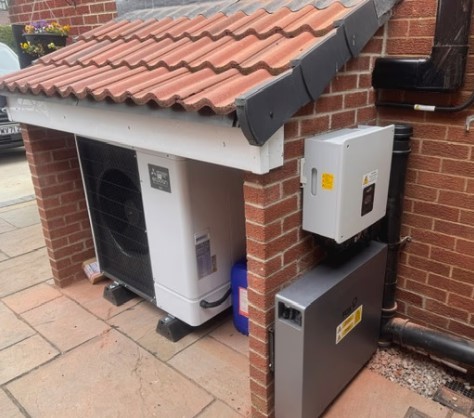
Estimating the daily electricity consumption of an air source heat pump (ASHP) is a primary concern for UK homeowners looking to transition away from gas. Because these systems extract thermal energy from the external environment, their power demand is not a fixed figure but a variable that fluctuates with the seasons and the specific thermal performance of your property.
Understanding these variables is essential for accurate budgeting and for ensuring that your low-carbon heating system remains cost-effective. By examining typical usage patterns and the factors that drive them, you can gain a clear picture of what to expect on your smart meter throughout the year.
Typical Daily Consumption by Property Type
For an average three-bedroom semi-detached home in the UK, the daily electricity consumption of an ASHP typically ranges from 8kWh to 12kWh when averaged across the year. However, this figure can be misleading because of the extreme seasonality of heating demand in the British climate.
Typical consumption varies depending on property size and insulation levels:
Small, well-insulated flats or mid-terraced homes may only require 5kWh to 8kWh per day on average.
Larger four-bedroom detached properties often see a daily average between 14kWh and 18kWh.
During the height of summer, when the system is only providing domestic hot water, daily usage can drop to as little as 2kWh or 3kWh.
The total ‘kWh’ you see on your bill is a reflection of your home's total heat loss rather than just the efficiency of the pump itself. Larger homes simply have more space to warm and more surface area through which heat can escape.
The Impact of the Seasonal Gap in Usage
The most significant factor in daily electricity use is the external temperature, which dictates the system's Coefficient of Performance (COP). In a typical UK winter, when temperatures hover around 2°C, a heat pump might consume 25kWh to 40kWh in a single day to keep a draughty home comfortable.
To better understand how external conditions affect your energy use, consider these seasonal trends:
Expect a ‘spike’ in consumption during a cold snap, as the unit works harder to extract heat from freezing air.
Note that in the ‘shoulder months’ of spring and autumn, consumption is remarkably low, often staying below 10kWh.
Monitor your system's COP; a rating of 3.0 means that for every 1kWh of electricity used, you receive 3kWh of heat.
While the winter peaks can look alarming on a daily monitor, they are balanced by the incredibly low running costs during the rest of the year. This seasonal gap is why many UK owners prefer to look at monthly or annual averages rather than daily snapshots.
How Insulation Levels Dictate Power Demand
In the UK, the ‘thermal envelope’ of your home is the single biggest determinant of how much electricity your heat pump will draw. A poorly insulated Victorian terrace will force the heat pump to run at higher flow temperatures, which significantly increases the electrical input required to maintain warmth.
The level of insulation in your home has a major impact on electricity demand:
Properties with modern cavity wall insulation and 300mm of loft insulation allow the pump to run at its most efficient, low-temperature state.
Double or triple glazing prevents the "heat sink" effect, meaning the pump doesn't have to cycle on as frequently to replace lost energy.
Improving your EPC (Energy Performance Certificate) rating before installation can reduce your daily electricity demand by up to 30%.
A heat pump is a "low-grade" heat source, meaning it performs best when it is replacing small amounts of heat lost slowly. When a home is well-insulated, the daily power draw remains steady and predictable.
Optimising Daily Use with Smart Tariffs
One of the most effective ways to manage the cost of your daily electricity consumption is to move away from a standard variable tariff. Many UK energy suppliers now offer dedicated heat pump tariffs or time-of-use tariffs that provide significantly cheaper electricity during off-peak hours.
Schedule your hot water cycle to run during the early hours of the morning when electricity rates are at their lowest.
Use thermal buffering—heating your home slightly more during cheap periods—to reduce the need for power during expensive peak evening hours.
Integrate your system with solar PV or a home battery to offset your daily grid consumption entirely during sunny periods.
By shifting your heaviest usage to cheaper windows, the cost per day becomes much more attractive, even if the kWh per day remains the same. This strategic approach is the key to making an ASHP cheaper to run than a traditional gas boiler.
The Role of User Behaviour and Settings
How you interact with your thermostat has a tangible impact on your daily meter readings. The traditional UK habit of turning the heating ‘off’ at night and ‘on’ in the morning is actually counter-productive for a heat pump, which is most efficient when maintaining a constant, steady temperature.
Maintain a ‘setback’ temperature—only dropping the thermostat by 2 or 3 degrees at night—to avoid a high-energy reheat phase in the morning.
Lower the flow temperature of your radiators to the lowest comfortable setting (e.g., 40°C) to maximise the system's efficiency.
Avoid the frequent use of ‘boost’ or ‘immersion’ settings for hot water, as these rely on direct electric heating, which is far more expensive.
Consistency is the secret to low daily consumption. By allowing the heat pump to ‘tumble along’ at a low power level, you avoid the heavy electrical draws associated with rapid temperature changes.
Balancing Daily Consumption for Long-Term Value
While the daily electricity usage of an air source heat pump can vary significantly, the overall efficiency of the technology remains far superior to any fossil fuel alternative. By focusing on home insulation and smart tariff management, you can keep your daily running costs well within a manageable range.
Understanding your daily data allows you to fine-tune your system for the unique demands of your UK property. Embrace the steady, efficient warmth of a heat pump and enjoy the peace of mind that comes from a lower carbon footprint and a more resilient home energy strategy.