How Can You Tell If Your Home Is Ready for an Air Source Heat Pump?
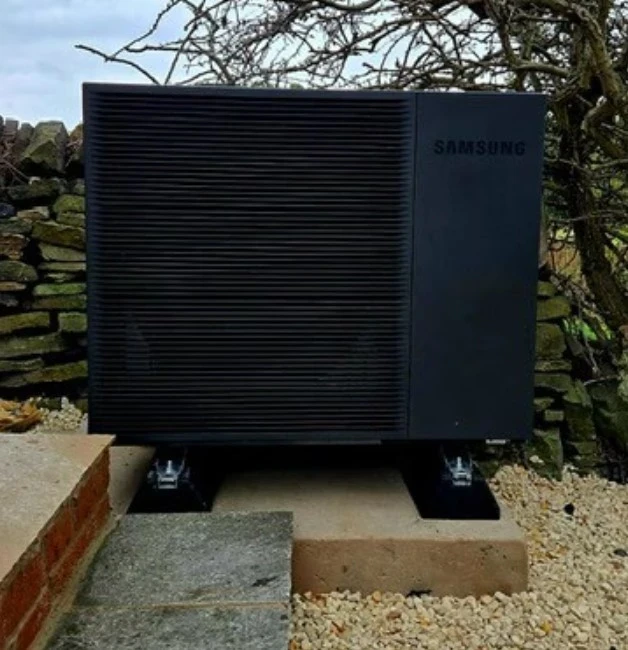
Switching to an air source heat pump is an excellent way for UK homeowners to reduce carbon emissions and lower long-term heating bills. However, ensuring your property is properly prepared before installation is essential for achieving optimal efficiency and comfort.
Assessing your home's thermal efficiency and existing distribution system prevents performance issues and unnecessary operational costs. Evaluating key structural and electrical factors early ensures your heat pump operates at peak performance throughout the coldest winter months.
Assessing Thermal Efficiency and Insulation Levels
Air source heat pumps generate a consistent, lower-temperature heat compared to traditional fossil fuel boilers. Maintaining high insulation levels ensures your property retains warmth effectively without overworking the system.
The main insulation benchmarks for determining heat pump readiness include:
Having at least two hundred and seventy millimetres of loft insulation installed across roof spaces.
Filling cavity walls with modern insulating materials to reduce overall structural heat loss.
Fitting double or triple-glazed windows to eliminate cold draughts and preserve indoor warmth.
Upgrading your property's thermal envelope ensures your heat pump runs efficiently during severe weather.
Evaluating Existing Radiators and Heat Emitters
Because heat pumps circulate water at lower flow temperatures, existing heat distribution systems may require larger surface areas to warm rooms comfortably. Upgrading standard radiators or utilising underfloor heating ensures heat spreads evenly throughout your home.
Key emitter suitability checks for low-temperature heating include:
Calculating room-by-room heat loss to determine whether current radiator surface areas are sufficient.
Replacing thin single-panel radiators with double or triple-convector models to boost thermal output.
Integrating underfloor heating circuits to maximise overall heat pump operational efficiency.
Matching your emitters to lower flow temperatures guarantees a comfortable indoor environment year-round.
Space Requirements for Outdoor and Indoor Equipment
An air source heat pump requires sufficient external and internal space to house the compressor unit and hot water cylinders. Adequate outdoor positioning provides necessary airflow while meeting local planning and boundary regulations.
Crucial spatial factors to evaluate around your property include:
Allocating a clear outdoor wall area with one metre of unobstructed space for air circulation.
Securing indoor cupboard space for an insulated hot water cylinder and control equipment.
Ensuring the outdoor unit is positioned away from property boundaries to satisfy permitted development rules.
Confirming these physical layout requirements ensures a smooth, hassle-free installation process.
Electrical Supply and Fuse Board Capacity
Air source heat pumps rely entirely on electricity to power internal compressors and circulation pumps. Your home’s electrical infrastructure must be capable of supporting the additional electrical load safely.
Important electrical checks required prior to installation include:
Asking a certified electrician to assess your main consumer unit and fuse board capacity.
Notifying your local Distribution Network Operator to confirm local grid connection limits.
Upgrading single-phase electrical setups if installing a higher-capacity heat pump unit.
Verifying electrical compatibility prevents power trips and protects your domestic appliances.
Professional MCS Heat Loss Surveys
A formal heat loss survey conducted by an accredited installer provides definitive proof of your home's heat pump readiness. This comprehensive evaluation calculates exact heating requirements tailored specifically to your property's layout.
Essential components covered during a professional survey include:
Measuring room dimensions, window sizes, and wall construction types across the entire house.
Determining precise heat loss figures to size the heat pump unit accurately.
Receiving an accurate seasonal performance estimate and annual running cost projection.
Relying on professional survey data guarantees your system is sized correctly for maximum efficiency.
Transforming Your Property for Renewable Heating
Preparing your property for an air source heat pump ensures a seamless transition to low-carbon domestic heating. Addressing insulation, heat emitters, and electrical capacity early guarantees long-term energy savings and optimal year-round comfort.
Taking these proactive preparation steps unlocks the full potential of modern heat pump technology. Scheduling a professional heat pump readiness assessment is the best way to get started with transforming your UK home today.