What Maintenance Does an Air Source Heat Pump Require Each Year?
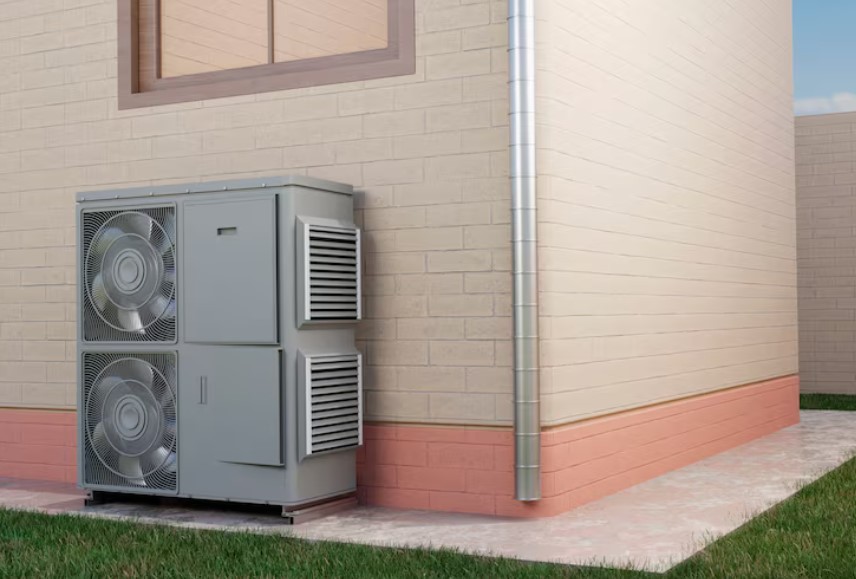
Maintaining an air source heat pump is an essential part of keeping your home warm while ensuring your renewable heating system operates as efficiently as possible. Because these systems rely on moving large volumes of outdoor air, they naturally encounter environmental conditions that require regular attention to prevent unnecessary mechanical strain.
Neglecting routine maintenance can lead to reduced efficiency, higher electricity usage, and increased wear on important components such as the compressor. By following a structured annual maintenance routine, UK homeowners can protect their investment and maintain reliable comfort throughout the changing British seasons.
Essential Outdoor Unit Clearance
The external unit is one of the most important parts of the system and must remain free from obstructions to draw heat from the air efficiently. With seasonal leaf fall, damp weather, and occasional snow during British winters, keeping the surrounding area clear is a key maintenance task.
To help maintain unrestricted airflow and system efficiency, homeowners should:
Maintain at least 30cm to 60cm of clearance around the unit to allow proper airflow.
Remove leaves, twigs, and wind-blown debris from the evaporator coils and external grilles.
Trim back shrubs or garden plants that may obstruct the fan or airflow path.
Clear away heavy snow or ice build-up during winter to reduce unnecessary defrost cycles.
Keeping the outdoor unit clean and unobstructed allows the system to operate without placing additional strain on the fan motor. This simple maintenance step can help improve efficiency and reduce energy consumption.
Annual Professional Servicing
Although some maintenance checks can be carried out by homeowners, a full inspection by a qualified engineer should be completed annually. Professional servicing is often required to maintain manufacturer warranties and helps ensure the system remains safe and efficient.
During a professional service visit, a qualified engineer will typically:
Carry out F-Gas checks to identify refrigerant leaks that could reduce efficiency or harm the environment.
Inspect and tighten electrical connections while checking for signs of corrosion or weather-related wear.
Verify that the system’s flow and return temperatures are correctly balanced for radiators or underfloor heating systems.
Test components such as the expansion vessel and circulation pumps to confirm they are operating within the correct pressure range.
Having a professional inspect and calibrate the system each year provides peace of mind ahead of colder weather. Regular servicing can also improve efficiency and help extend the lifespan of the equipment.
Cleaning and Inspecting Coils
The fins on the outdoor heat exchanger can gradually collect dust, dirt, and salt deposits, particularly in coastal areas of the UK. This build-up acts as an insulating layer, making it more difficult for the system to absorb heat efficiently from the surrounding air.
To keep the heat exchanger operating efficiently, it is important to:
Use a soft brush or low-pressure garden hose to remove surface dirt from the external coils.
Avoid using pressure washers, as they can bend the delicate aluminium fins and restrict airflow.
Inspect the coils for signs of corrosion or physical damage that may require professional attention.
Watch for persistent ice build-up that does not clear during the automatic defrost cycle.
Clean coils allow heat transfer to occur more efficiently, reducing unnecessary strain on the fan and compressor. This is especially important for properties exposed to coastal air and salt spray.
Monitoring System Pressure and Fluid Levels
For air-to-water heat pump systems, the condition of the circulating fluid is equally important. Maintaining correct pressure levels and ensuring the system water is properly treated helps prevent internal wear and protects sensitive components.
To maintain a healthy heating circuit, homeowners should regularly:
Check the pressure gauge to ensure it remains within the manufacturer’s recommended range.
Bleed radiators annually to remove trapped air and prevent cold spots.
Arrange professional testing of antifreeze and inhibitor levels to protect the system during freezing temperatures.
Inspect exposed pipe insulation for signs of wear, gaps, or damage that could lead to heat loss.
Maintaining stable system pressure helps distribute heat efficiently throughout the property while reducing unnecessary strain on the circulation pump and internal components.
Thermostat and Controller Optimisation
The way a heat pump is controlled can significantly influence both efficiency and long-term reliability. Reviewing system settings each year helps ensure the controls remain suited to your household’s heating requirements and current seasonal conditions.
To optimise system performance, homeowners should:
Review weather compensation settings to ensure flow temperatures automatically adjust according to outdoor conditions.
Check hot water cylinder temperatures to balance efficiency with safe water storage temperatures.
Test thermostat batteries and confirm wireless connections remain stable and uninterrupted.
Install software or firmware updates where available for smart heating controls and monitoring systems.
Correctly configured controls allow the heat pump to operate steadily and efficiently rather than working harder than necessary. Modern heating controls include a wide range of energy-saving features that can improve both comfort and efficiency.
Protecting Your Long-Term Energy Investment
Following a consistent annual maintenance schedule is one of the most effective ways to protect the efficiency and reliability of your renewable heating system. Combining simple routine checks with professional servicing helps ensure your air source heat pump continues operating as a dependable, energy-efficient solution for your property.
The relatively small cost of regular maintenance is often outweighed by the long-term energy savings and reduced likelihood of expensive repairs. Taking proactive steps today can help ensure your heating system remains reliable and efficient throughout even the coldest British winters.