How Disruptive Is the Installation Process for a Heat Pump System?
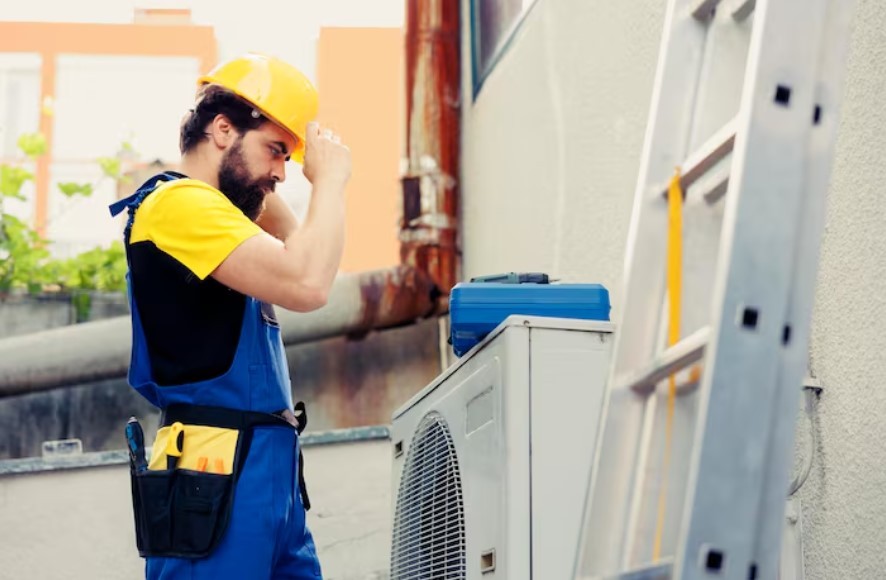
Transitioning to a renewable heating system is a significant home improvement project, so many homeowners are understandably concerned about disruption during installation. Many UK households hesitate to move away from traditional gas boilers because they expect extensive building work, lifted floorboards, and long periods without heating or hot water.
Understanding the typical installation process can help homeowners prepare for the transition with confidence. While any major heating upgrade involves some level of activity, modern installation methods are designed to keep disruption to a minimum wherever possible.
Outdoor Unit Placement and Groundwork
The first stage of the installation involves preparing the external area where the outdoor unit will be positioned. In most cases, this is one of the least disruptive parts of the process. Installers will create a stable and level base, usually using a concrete plinth or anti-vibration mounting system, to support the unit securely and reduce operational noise.
To prepare the outdoor area for installation, engineers will typically:
Carry out groundwork in a single visit with minimal disruption or noise inside the property.
Drill small openings through the external wall to route pipework and electrical connections to the indoor system.
Temporarily lift paving slabs or sections of pathway if underground pipework routing is required.
Complete most of the heavy lifting and installation work outdoors, limiting disruption within the home.
Once the outdoor unit has been positioned and connected, the external stage of the installation is largely complete. This allows the main heating system to be integrated efficiently with the indoor components.
Upgrading Radiators and Pipework
To operate efficiently at lower flow temperatures, some properties may require upgraded radiators or adjustments to the existing pipework. This stage often involves the most noticeable indoor activity, as heating components may need to be replaced in multiple rooms.
During this phase of the installation, engineers will generally:
Work on one room at a time to minimise disruption throughout the property.
Use modern plumbing methods that allow radiator replacements to be completed quickly and cleanly.
Reuse existing pipework wherever possible to avoid lifting carpets or floorboards unnecessarily.
Protect flooring and furniture with dust sheets and protective coverings during installation work.
Although radiator upgrades may sound disruptive, they are standard plumbing tasks carried out regularly by experienced installers. These improvements help ensure the heat pump delivers efficient and consistent heating throughout the home.
Hot Water Cylinder Installation
Most air source heat pump systems require a dedicated hot water cylinder designed specifically for low-temperature heating systems. This may involve replacing an older cylinder or adapting space within an airing cupboard or utility room to accommodate the new equipment.
The installation process for a new hot water cylinder may include:
Removing the existing cylinder and fitting the new unit, usually within a single working day.
Temporary interruption to hot water while the old system is disconnected and replaced.
Electrical work to connect sensors, immersion heaters, and system controls safely.
Careful removal of old components and ongoing cleaning of the work area throughout the installation.
This stage plays an important role in integrating the heat pump with your home’s hot water supply. Proper planning helps minimise downtime and ensures hot water services are restored as quickly as possible.
Electrical Connections and Controls
Air source heat pumps require a dedicated electrical connection from the property’s consumer unit. Although this involves some additional wiring, the work is generally straightforward and causes minimal disruption to daily life.
To complete the electrical installation safely, electricians will typically:
Install a dedicated circuit breaker and power supply for the heat pump system.
Route electrical cabling neatly along external walls, loft spaces, or skirting areas where appropriate.
Install smart thermostats or heating controls that allow homeowners to manage temperatures efficiently.
Carry out system testing and explain how to use the controls before the installation is completed.
Short power interruptions may occasionally occur while the new circuit is connected, but installers normally plan these to minimise inconvenience.
Commissioning and Handover
The final stage of the installation process involves commissioning the system and ensuring every component is operating correctly. Engineers will test the heating system thoroughly, balance water flow rates, and confirm that all controls and radiators are functioning efficiently.
Before completing the installation, the team will usually:
Bleed the heating system to remove trapped air and improve circulation.
Check for leaks and confirm that all radiators or underfloor heating zones are working correctly.
Carry out a full clean-up of the work areas and remove any installation waste.
Provide warranty documents, servicing guidance, and MCS certification paperwork.
Homeowners will also receive a demonstration of the controls and advice on how to operate the system efficiently throughout the year.
Embracing a Smarter Way to Heat Your Home
For most households, a complete air source heat pump installation takes approximately three to five days from start to finish. While there will always be some temporary disruption during a heating upgrade, professional installers work carefully to minimise inconvenience and keep the process as organised as possible.
The short installation period delivers long-term benefits, including lower carbon emissions, improved energy efficiency, and reliable heating for years to come. With the right preparation and an experienced installation team, transitioning to renewable heating can be a smooth and manageable process for any UK home.