How Long Do Air Source Heat Pumps Typically Last?
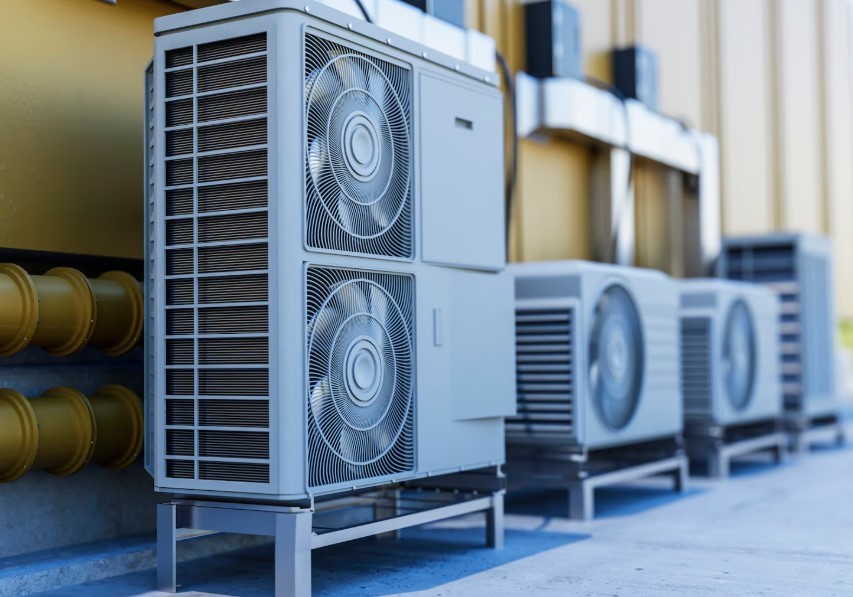
Investing in renewable energy is a significant step towards reducing your carbon footprint and lowering long-term energy bills. Understanding the expected lifespan of an air source heat pump helps homeowners make informed decisions about their property's heating system.
The durability of these systems is a primary concern for those transitioning away from traditional gas boilers. Modern heat pump technology is engineered for longevity, providing a reliable heating solution for many years when properly maintained.
Expected Operational Lifespan
While traditional combustion boilers often require replacement after a decade, air source heat pumps are designed for much greater durability. On average, a well-manufactured unit in the UK will provide efficient service for twenty to twenty-five years.
Several factors contribute to the long-term reliability and performance of an air source heat pump, including:
The absence of a combustion process reduces internal wear and tear on the primary components.
High-quality units are built with weather-resistant casings to withstand the damp British climate.
Modern compressors are engineered to modulate their output, preventing the strain of frequent on-and-off cycling.
Regular professional inspections help ensure the system operates within its intended parameters for decades.
Choosing a reputable system is the first step towards achieving a long-lasting heating solution for your home. This extended lifespan makes the transition to renewable heating a far more cost-effective long-term solution.
The Impact of Regular Maintenance
Regular maintenance plays a major role in helping an air source heat pump achieve its full lifespan. Much like a car, a heat pump requires periodic checks to ensure every internal component is operating at optimal performance.
To keep your heat pump operating efficiently for as long as possible, regular maintenance should include:
Annual servicing by a qualified technician, essential for maintaining warranties and identifying minor faults early.
Keeping the external evaporator fins clear of debris, such as leaves and snow, allowing for optimal airflow.
Periodically checking antifreeze levels within the system, helping to prevent internal damage during freezing winter temperatures.
Cleaning or replacing filters to ensure the internal heat exchanger does not become clogged with dust.
Neglecting these simple maintenance tasks can force the system to work harder, eventually shortening the lifespan of the compressor. Dedicating a small amount of time to upkeep helps keep the machinery in excellent condition year after year.
Correct System Sizing
The lifespan of a heat pump is heavily influenced by how hard the system needs to work to heat the property. If a unit is too small for the building, it will operate constantly at maximum capacity, leading to premature mechanical wear.
Proper system sizing plays a major role in extending the lifespan of an air source heat pump. Important considerations include:
Accurate heat loss calculations to ensure the unit is correctly matched to the insulation levels of the property.
Correctly sized systems cycle less frequently, helping preserve the integrity of the motor.
Oversized units can also suffer from short-cycling, which places unnecessary stress on electrical start-up components.
Expert installation ensures flow temperatures are balanced to provide comfort without overworking the system.
A bespoke installation tailored to your property’s specific requirements is one of the best ways to prevent premature strain on the equipment. Careful planning during the installation phase contributes to a quieter, more reliable, and longer-lasting heating system.
Coastal and Environmental Factors
The location of a UK property can influence how the external cabinet and coils age over time. Homeowners in coastal regions should be particularly mindful of salt exposure, which can accelerate the corrosion of metal components.
Homeowners in coastal or exposed areas should consider the following environmental factors:
Sea air contains salt that may cause oxidation on heat exchanger fins if left untreated.
Specialist anti-corrosion coatings can provide additional protection for units installed near the coast.
Positioning the unit in a sheltered location away from prevailing winds can reduce exposure to harsh weather conditions.
More frequent rinsing of the outdoor unit with fresh water helps remove corrosive deposits in seaside environments.
Understanding environmental conditions allows homeowners to adapt their maintenance routine to suit the challenges of their local area. By accounting for the British climate, you can help protect the long-term performance of the system.
Technological Advancements and Upgrades
The components used in modern heat pumps are significantly more robust than those found in systems installed a decade ago. Continued improvements in refrigerant technology and inverter-driven motors mean that newer systems are more durable and energy efficient.
Modern air source heat pumps now include several advancements designed to improve durability and efficiency, such as:
Scroll compressors contain fewer moving parts, reducing the likelihood of mechanical failure.
Intelligent control systems can monitor performance in real time to prevent unnecessary operational strain.
Enhanced defrost cycles help prevent ice build-up from damaging delicate fan blades during colder weather.
Improved manufacturing standards across the industry have increased reliability for residential heat pump systems.
The rapid development of renewable heating technology continues to improve the durability and efficiency of modern systems. Today’s air source heat pumps are designed to provide dependable performance for UK households for many years.
Securing Your Long-Term Heating Future
Choosing to install an air source heat pump is an investment in a more sustainable and energy-efficient future. When you prioritise professional installation and routine maintenance, you help ensure a heating system that performs reliably for decades.
The peace of mind that comes with a dependable, long-lasting heating solution is invaluable in today’s changing energy market. By following simple maintenance practices and arranging regular servicing, homeowners can help keep their systems operating efficiently for the long term.