Are Air Source Heat Pumps Noisy at Night?
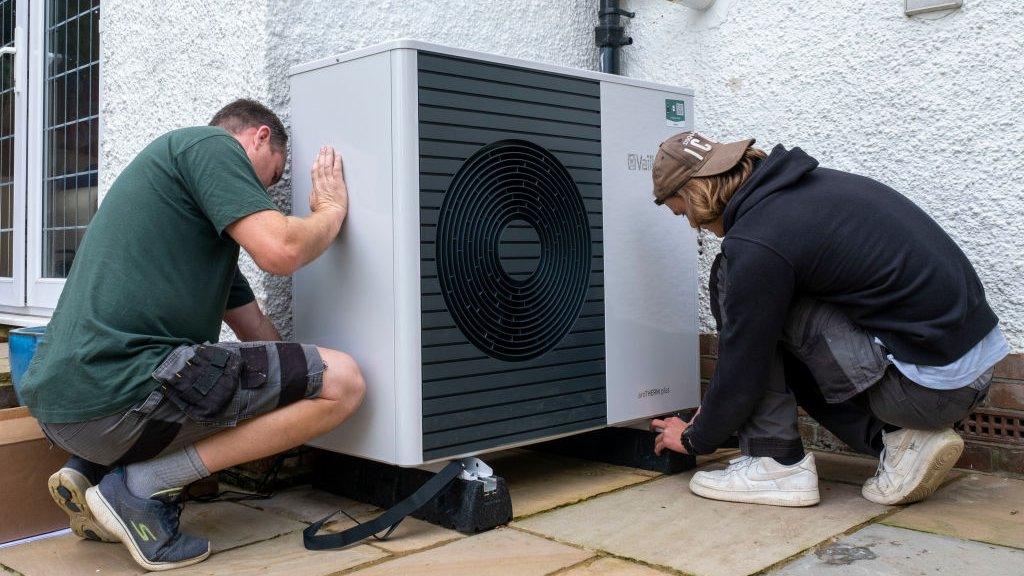
The noise concern is one of the most common hurdles for UK homeowners considering a transition to renewable heating. As we move through 2026, advancements in acoustic engineering and stricter planning regulations have transformed the "noisy heat pump" from a reality into a persistent myth.
Understanding how these systems sound during the quietest hours is essential for maintaining both your comfort and good relations with your neighbours. Modern units are now designed specifically to blend into the background of a typical British residential street, ensuring that your sustainable choice doesn't come at the cost of a good night's sleep.
Decibel Levels and Real-World Comparisons
In 2026, the average air source heat pump operates between 40dB and 60dB at the source, which is roughly equivalent to the hum of a standard kitchen refrigerator or a quiet conversation. Because sound dissipates rapidly over distance, the level actually experienced at a bedroom window several metres away is significantly lower, often falling below 35dB.
Distance is Key: For every doubling of distance from the unit, the sound level drops by approximately 6dB.
Ambient Context: In most UK suburban areas, the night-time background noise is already around 30dB, meaning a well-sited unit is virtually indistinguishable from the wind or distant traffic.
Tonal Quality: Modern units produce a low-frequency "whoosh" rather than the high-pitched mechanical whirring associated with older models.
Indoor Silence: Because the fan and compressor are located entirely outdoors, you will typically hear nothing at all from inside your home with the windows closed.
The technical progress made in fan blade geometry and compressor insulation means that a 2026 heat pump is often quieter than the flue fan of an older G-rated gas boiler. Most homeowners find that after the first week, they completely forget the unit is even running.
UK Planning Laws and the 42dB Rule
To protect residential amenity, the UK government enforces strict noise limits through the Microgeneration Certification Scheme (MCS) planning standards. For a heat pump installation to qualify as "Permitted Development" in England and Wales, it must pass a rigorous noise assessment before work even begins.
The 42dB Limit: The sound level must not exceed 42dB when measured from the "assessment position" of the nearest neighbouring property.
MCS 020 Standards: Your installer must perform a detailed calculation that accounts for distance, reflective surfaces (like brick walls), and any barriers.
Professional Accountability: Certified installers are required to provide you with a copy of this noise calculation sheet to prove compliance.
Local Variations: Some councils in Scotland or sensitive conservation areas may have even stricter requirements, often aiming for a level that is no more than 5dB above the existing background noise.
These regulations ensure that no heat pump is installed in a way that would legally constitute a nuisance. By adhering to these 2026 standards, you are guaranteed an installation that respects the peace of your neighbourhood.
Utilising "Quiet Mode" and Smart Controls
One of the most effective features of 2026 heat pump technology is the integration of intelligent "Night Modes" or "Quiet Modes." These settings allow the homeowner to trade a small amount of peak capacity for a significant reduction in fan speed and compressor noise during sensitive hours.
Scheduled Reductions: You can program your system to automatically enter quiet mode between 10 pm and 7 am.
Inverter Technology: Unlike old "on/off" systems, modern inverters ramp up and down smoothly, preventing the "clunk" of a motor starting up in the middle of the night.
Weather Compensation: By working steadily throughout the day to maintain a constant temperature, the unit rarely needs to "work hard" or run at full power overnight.
App Integration: Most 2026 systems allow you to monitor and adjust decibel outputs directly from your smartphone.
Running a heat pump in a low-and-slow manner is not only quieter but also more energy-efficient. It prevents the system from having to "catch up" during the coldest parts of the early morning, which is when noise would be most noticeable.
Strategic Siting and Vibration Control
The physical placement of your heat pump is the single most important factor in determining how much noise you—and your neighbours—actually hear. A professional 2026 installation focuses on isolating the unit from the structure of the house to prevent "structure-borne" sound.
Avoid Hard Corners: Placing a unit in a tight, three-walled corner can create a "megaphone effect" that amplifies the sound; open spaces are always better.
Anti-Vibration Mounts: High-quality rubber feet or "big foot" frames are essential to stop vibrations from travelling through the ground or walls.
Flexible Connectors: Ensure your installer uses flexible hoses to connect the unit to your internal plumbing, which prevents the pipework from acting like a tuning fork.
Acoustic Barriers: A solid timber fence or a brick wall placed between the unit and a neighbour's window can provide a further 5dB to 10dB reduction in perceived noise.
Thinking about acoustics during the design phase is far cheaper than trying to fix a noisy unit later. A small shift in the unit's location by just one metre can make a massive difference in the final decibel reading.
Maintenance for Long-Term Silence
A heat pump that was quiet when installed should remain quiet for its entire 20-year lifespan, provided it is looked after. Noise is often the first indicator that a system requires a simple maintenance check or a cleaning of the external components.
Clear Debris: Dry leaves or twigs stuck in the fan casing can cause a rattling or clicking sound that is easily fixed.
Annual Servicing: A technician will check that all panels are tight and that the compressor mounts haven't degraded over time.
Fan Health: Over several years, fan bearings may wear; replacing these early ensures the unit remains as whisper-quiet as the day it was bought.
Ice Management: In 2026, advanced defrost cycles prevent the loud "hissing" sounds that used to occur when units cleared frost in sub-zero temperatures.
Regular upkeep ensures that your investment continues to operate at peak efficiency without any mechanical "protest." A well-maintained heat pump is a silent heat pump.
Achieving Acoustic Harmony in 2026
Modern air source heat pumps are engineered to provide carbon-free warmth without sacrificing the tranquillity of your home environment. By choosing a high-specification unit, ensuring a professional MCS-compliant installation, and utilising smart "Night Mode" settings, you can enjoy the benefits of renewable energy while maintaining a perfectly peaceful night for everyone.