How to Prepare Your Garden for an Air Source Heat Pump Installation
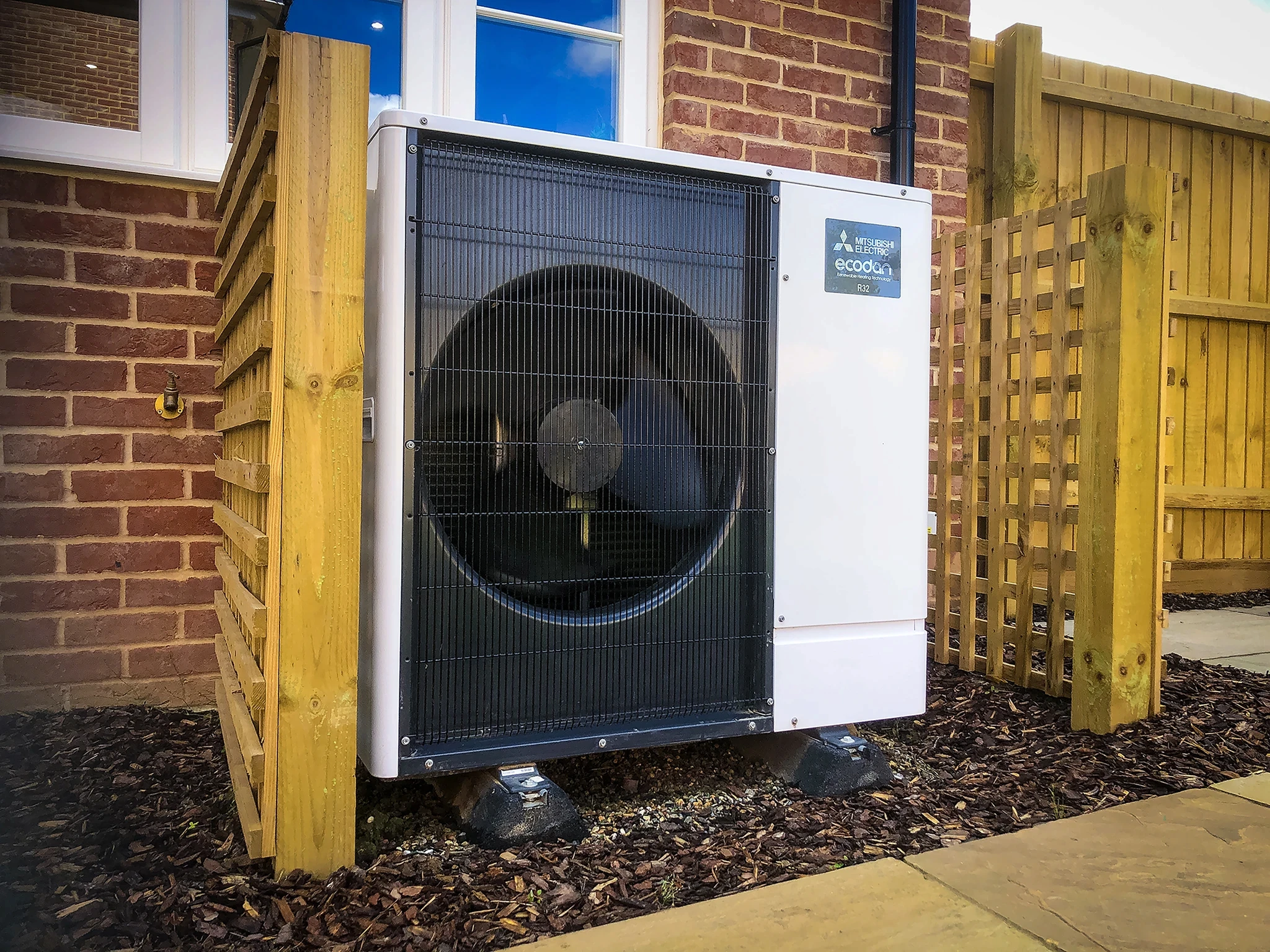
Preparing your outdoor space is a vital step in ensuring your renewable energy transition is smooth and successful. As we move through 2026, the integration of low-carbon technology into British gardens has become a standard part of home improvement, requiring a blend of technical foresight and aesthetic planning.
A well-prepared garden not only speeds up the installation process but also ensures your heat pump operates at peak efficiency for decades to come. By considering factors like airflow, noise dampening, and accessibility now, you can avoid costly modifications after the MCS-certified installers arrive at your property.
Selecting the Optimal Location
The first step in garden preparation is identifying a site that balances technical requirements with your use of the outdoor space. In the UK, most air source heat pumps are "monobloc" units that sit on the ground, requiring a spot that is close enough to the house to minimise heat loss through external pipework.
Proximity to the Property: Aim to place the unit within 1 to 3 metres of the internal plant room or hot water cylinder to reduce installation complexity.
Avoid Enclosed Spaces: Do not place the unit in a narrow side return or under a low deck, as this can lead to "cold air recirculation," which kills efficiency.
Planning Compliance: Ensure the unit is at least 1 metre away from your property boundary to comply with Permitted Development rights in England and Wales.
Aspect Considerations: While heat pumps work in all weathers, a south-facing spot can offer a slight efficiency boost during the winter months.
Once you have identified a potential spot, mark it out with a temporary frame to visualise how it impacts your garden layout. Proper siting is the foundation of a system that remains quiet and unobtrusive for its entire 20-year lifespan.
Groundworks and Base Preparation
A heat pump is a heavy piece of machinery that requires a perfectly level and stable foundation to prevent vibration and mechanical wear. In 2026, the standard approach involves a dedicated concrete plinth or high-quality "Big Foot" mounting frames that distribute weight evenly across the ground.
Concrete Plinths: A 100mm to 150mm thick concrete slab is the gold standard, providing a solid surface that won't sink or shift over time.
Gravel Borders: Surround the base with a 300mm wide gravel strip to help with drainage and prevent mud from splashing onto the unit’s heat exchanger.
Vibration Isolation: Ensure your installer uses anti-vibration rubber mounts between the unit and the base to stop humming sounds from travelling through the ground.
Level Surface: Use a spirit level to ensure the base is flat; an unlevel unit can cause internal components to wear prematurely and prevent proper drainage.
Taking the time to get the groundworks right prevents the unit from tilting or becoming unstable during heavy rain or frost. A professional-looking base also ensures the installation adds to the kerb appeal and value of your home.
Managing Airflow and Clearance Zones
For a heat pump to extract warmth from the air, it needs to "breathe" significant volumes of it without restriction. Obstructing the front or rear of the unit with garden furniture or dense hedging will force the fans to work harder, increasing your electricity bills and reducing the unit's lifespan.
Front Clearance: Keep at least 1 metre (ideally 1.5 metres) of clear space in front of the fan to allow cold air to be blown away from the house.
Rear Gap: Maintain a gap of at least 200mm to 300mm between the back of the unit and the wall to ensure a steady intake of ambient air.
Vegetation Management: Cut back any overhanging shrubs or climbing plants that could drop leaves or debris into the delicate fins of the evaporator.
Avoid "Tunnels": Ensure the unit isn't placed where prevailing winds will blow directly into the fan, which can cause "windmilling" and motor damage.
Regularly checking these clearance zones after the installation is just as important as the initial setup. Ensuring a constant stream of fresh air is the easiest way to keep your SCOP (Seasonal Coefficient of Performance) as high as possible.
Landscaping and Aesthetic Integration
Many UK homeowners are concerned about the visual impact of a heat pump on their landscaped garden. In 2026, there are several clever ways to "hide" the unit without compromising its performance or accessibility for annual servicing.
Slatted Screens: Timber or composite screens with wide gaps allow air to flow through while obscuring the unit from view.
Strategic Planting: Use mid-height grasses or deciduous shrubs a few feet away from the unit to soften its profile without blocking the air.
Acoustic Fencing: If the unit is near a seating area, a solid fence panel on one side can act as a sound deflector.
Colour Matching: Many modern units come in neutral greys or blacks, but you can also find bespoke covers designed specifically for UK residential aesthetics.
The key to successful landscaping is ensuring that any screen or cover is easily removable. Your engineer will need full access to the side panels and electrical connections once a year for the mandatory BUS grant service.
Drainage and Condensate Management
A common oversight in garden preparation is failing to account for the water that the heat pump produces during its defrost cycle. During cold, damp UK winters, a unit can produce several litres of condensate water per day which must be managed to prevent ice patches or boggy ground.
Soakaways: Dig a small soakaway directly beneath or adjacent to the unit, filled with coarse gravel to allow water to drain into the subsoil.
Piped Drainage: In some cases, a small pipe can lead the condensate directly into a nearby gulley or surface water drain.
Preventing Ice Hazards: Ensure the drainage path leads away from garden paths or driveways to avoid creating slippery ice patches in sub-zero temperatures.
Heated Trays: For very cold regions, consider a base with an integrated low-wattage heater to keep the drainage hole clear of ice.
Effective drainage is a "set and forget" feature that protects your garden's health and your own safety. Proper planning here ensures that your garden remains tidy and functional even in the depths of a British winter.
Future-Proof Your Garden for Sustainable Warmth
Investing time in garden preparation today ensures that your £7,500 Boiler Upgrade Scheme investment delivers the highest possible returns in 2026. By creating a stable, well-ventilated, and aesthetically integrated space for your heat pump, you are not just installing a heater; you are upgrading your entire property's energy infrastructure for a greener future.