Can You Combine Solar Panels with an Air Source Heat Pump for Greater Savings?
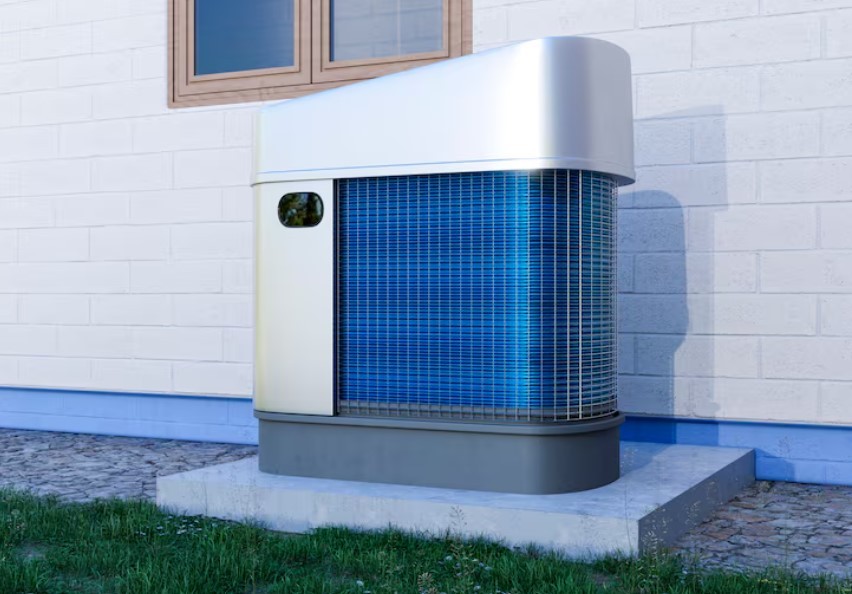
Integrating solar photovoltaic panels with an air source heat pump is one of the most effective ways for UK homeowners to achieve energy independence. While a heat pump is incredibly efficient, it still requires electricity to run, and generating that power on your own roof can significantly offset operational costs.
This "green match" allows you to transition away from volatile fossil fuel prices by creating a self-sustaining ecosystem within your property. By synchronising these two technologies, you can maximise your return on investment while drastically lowering your household's total carbon footprint.
Maximising Free Electricity Consumption
The primary advantage of this pairing is the ability to use the "free" electricity generated by your solar panels to drive the heat pump's compressor. Instead of exporting excess energy back to the National Grid for a low return, you can divert it to heat your home or your hot water tank.
To make the most of this pairing, you should understand the key ways solar energy directly benefits your heat pump system:
Directing solar energy to the heat pump reduces the amount of power you need to purchase from your energy supplier.
During the spring and summer, solar panels can often provide 100% of the energy required for your domestic hot water.
Modern "solar diverters" can automatically sense when you have excess power and kick-start the heating process.
Even on overcast British days, solar arrays contribute a portion of the base load needed to keep the heat pump ticking over.
Utilising your own generated power turns your heating system into a much more economical asset. It shifts the focus from simply saving energy to intelligently managing where that energy comes from.
The Role of Battery Storage
While solar panels produce the most power during the day, the peak demand for heating often occurs in the early morning or evening. Adding a battery storage system to the mix allows you to bridge this gap, saving sunshine for when you actually need to feel the warmth.
To understand how battery storage enhances your solar and heat pump setup, consider these key advantages:
Batteries store surplus daytime solar energy so the heat pump can run during the night without drawing from the grid.
This setup is particularly effective for maintaining a consistent "base" temperature in well-insulated UK homes.
You can "load-shift" your energy usage, ensuring the heat pump performs its most intensive tasks using stored renewable power.
Battery systems also provide a buffer against peak-time electricity tariffs which are typically more expensive.
Stored energy acts as a strategic reserve that keeps your renewable heating system running smoothly regardless of the sun's position. It is the final piece of the puzzle for those looking to be as self-reliant as possible.
Thermal Energy Storage via Hot Water
If you do not wish to invest in electrical batteries, your hot water cylinder can act as a "thermal battery" for your solar energy. By heating your water to a higher temperature during peak sunlight hours, you effectively store that solar energy in the form of heat.
To take full advantage of your hot water cylinder as a thermal store, keep the following in mind:
Most modern cylinders installed with heat pumps are highly insulated, holding heat for many hours with minimal loss.
You can programme your system to perform a "Legionella cycle" or a high-heat run during the sunniest part of the day.
This reduces the need for the heat pump to work hard during the evening when electricity prices might be higher.
It ensures that when you take a shower in the morning, the water was heated using yesterday's sunshine.
This method is a cost-effective way to make the most of your solar array without needing additional complex hardware. It turns a standard plumbing component into a vital tool for energy management.
Seasonal Synergy and Efficiency
It is important to understand how the two systems interact across the different British seasons to set realistic expectations. While solar output is lower in winter, the high efficiency of the heat pump means that every bit of solar gain still goes much further than it would with an electric heater.
To set realistic expectations across the year, consider how the two systems perform in each season:
In the shoulder months of spring and autumn, solar panels can often cover a significant portion of the space heating demand.
During summer, the combination virtually eliminates the cost of heating water for the household.
High-efficiency heat pumps can turn 1kW of solar electricity into 3kW or 4kW of heat for your home.
Even in mid-winter, solar power can help offset the "parasitic" loads of the pumps and control systems.
The synergy between the two technologies ensures that your home is always operating at the highest possible efficiency. This year-round performance helps to flatten the curve of your annual energy expenditure.
Smart Controls and Automation
To get the most out of combining these technologies, using an intelligent management system is essential for seamless operation. These smart controllers act as a conductor, ensuring that the solar panels and the heat pump are always communicating with each other.
To get the most out of your smart controls, you should be aware of what modern automation can offer your home:
Smart apps allow you to monitor exactly how much of your heating is powered by the sun in real time.
Automation can trigger the heat pump to "pre-heat" the house if a particularly sunny afternoon is forecast.
Weather-compensation features ensure the heat pump doesn't overwork when solar gain provides natural warmth through windows.
Integration with smart meters allows for even further optimisations based on fluctuating grid prices.
Automation takes the guesswork out of being green, allowing the technology to make the best financial decisions for you. When your home is "smart," your savings become automatic and effortless.
Achieving Ultimate Energy Independence
The combination of solar panels and an air source heat pump represents the gold standard for sustainable living in the UK. By generating your own power and using a high-efficiency delivery system, you protect your household from future energy price spikes.
Taking this holistic approach to your home's infrastructure ensures that you are not just reducing your carbon footprint but also securing a lower cost of living. Investing in these twin technologies today creates a resilient, future-proof home for decades to come.