Do Air Source Heat Pumps Work Efficiently in Extremely Cold UK Winters?
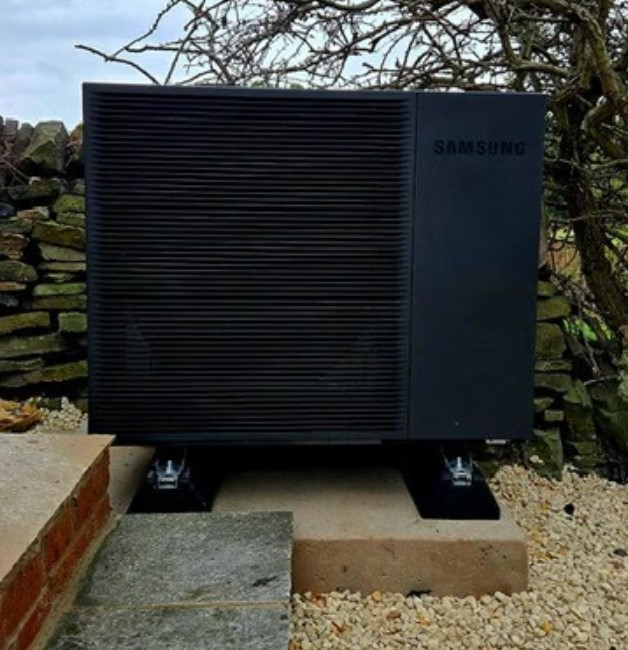
As the UK transitions toward low-carbon heating, many homeowners question whether air source heat pumps (ASHPs) can reliably withstand the damp, freezing conditions of a British winter. While it is a common myth that these systems fail when the temperature drops, modern heat pump technology is specifically engineered to extract thermal energy from the air even in sub-zero environments.
Understanding the mechanics of how these systems adapt to cold weather is essential for any household looking to move away from fossil fuels. By optimising your setup and understanding the ‘Seasonal Coefficient of Performance,’ you can ensure your home remains a warm sanctuary even during the harshest January frosts.
Understanding Efficiency and the SCOP Rating
In the UK, the performance of a heat pump is measured by its Seasonal Coefficient of Performance (SCOP), which accounts for efficiency fluctuations across the entire year. While a standard boiler might operate at 90% efficiency, a heat pump typically delivers between 250% and 400% efficiency, meaning it produces three to four units of heat for every unit of electricity consumed.
When assessing winter performance, here are a few key points to keep in mind:
Look for the ‘Seasonal’ rating rather than a single ‘COP’ snapshot to get a realistic view of winter performance.
Expect efficiency to dip slightly during extreme cold, but remember that the system remains significantly more efficient than a gas boiler or electric heater.
High-quality models are designed to operate effectively at temperatures as low as -15°C or even -20°C, far exceeding typical UK lows.
While the system works harder as the outdoor temperature falls, the advanced refrigerants used in modern units allow them to boil at incredibly low temperatures. This ensures a steady flow of heat into your home, regardless of the frost outside.
The Role of the Automatic Defrost Cycle
One of the most misunderstood features of a heat pump is the defrost cycle, which is a vital self-protection mechanism. During cold, humid UK winters, moisture can freeze on the outdoor evaporator coils; the system simply reverses its flow for a few minutes to melt this ice, ensuring airflow remains unrestricted.
To ensure your system operates reliably throughout the winter, follow these simple maintenance tips:
Do not be alarmed if you see steam or "smoke" rising from your outdoor unit during a cold snap; this is merely the defrost cycle at work.
Ensure there is adequate space around the unit to allow for the drainage of meltwater during this process.
Keep the area behind the unit clear of leaves and garden debris to prevent excessive ice build-up and improve cycle efficiency.
The defrost cycle is an automated process that lasts only a few minutes. While it uses a small amount of energy, it is the key to maintaining consistent performance when the air is both cold and damp.
Optimising Flow Temperatures for Radiators
Unlike gas boilers that provide short bursts of high-intensity heat, heat pumps work most efficiently by providing a steady, lower temperature over a longer period. To get the best out of your system during a UK winter, your radiators or underfloor heating should be designed to operate at "low flow temperatures."
To achieve the best balance of comfort and energy savings, consider the following recommendations:
Ensure your radiators are correctly sized for your rooms; larger surface areas allow the heat pump to run at lower, more efficient temperatures.
Avoid the urge to turn the thermostat up and down rapidly; heat pumps prefer a ‘set and forget’ approach to maintain a constant ambient heat.
Consider weather compensation controls, which automatically adjust the flow temperature based on the weather forecast outside.
By keeping the flow temperature between 35°C and 45°C, you maximise the efficiency of the unit. This steady approach ensures your home feels consistently warm without the ‘peaking’ and ‘troughing’ associated with traditional heating.
Managing Electricity Costs During Cold Snaps
Because heat pumps run on electricity, your consumption will naturally increase during the winter months when the heat demand is highest. However, because the system is so efficient, the total energy used is still much lower than that of direct electric heating or older, inefficient boilers.
To help manage your energy bills more effectively during the winter, you might consider the following steps:
Switch to a time-of-use or smart energy tariff that offers cheaper electricity rates during off-peak hours.
Utilise thermal buffering or a hot water cylinder to store heat during cheaper periods for use throughout the day.
Improve your home’s thermal envelope through loft and cavity wall insulation to prevent the heat you’ve generated from escaping.
Electricity prices in the UK can be higher than gas, but the high efficiency of the ASHP helps to bridge this ‘spark gap.’ Investing in a smart tariff is one of the most effective ways to lower your winter running costs.
The Importance of Proper System Sizing and Design
The efficiency of a heat pump in cold weather is heavily dependent on it being correctly sized for your specific property. An undersized unit will struggle to meet the heat demand during a freeze, leading to excessive wear on the compressor and higher-than-necessary energy bills.
To ensure your installation is tailored to your home’s specific requirements, keep the following in mind:
Ensure your installer conducts a room-by-room heat loss survey to calculate the exact kilowatt (kW) requirement for your home.
Avoid oversizing the unit, as this can lead to short-cycling, where the system turns on and off too frequently, reducing its lifespan.
Verify that your system complies with MCS standards to ensure it has been designed specifically for the UK’s unique climatic challenges.
A well-designed system will have a bivalent point that matches your home’s needs even on the coldest day of the year. This professional planning is what separates a high-performance installation from an inefficient one.
Securing Year-Round Comfort with Modern Technology
The evidence from thousands of UK installations and successful use in much colder Scandinavian climates proves that air source heat pumps are more than capable of handling a British winter. By moving away from the ‘on-off’ mentality of gas heating and embracing a steady, efficient flow, you can enjoy a more comfortable and sustainable home environment.
The transition to a heat pump is an investment in your home’s future resilience against rising fossil fuel costs and environmental standards. Ensure your system is correctly maintained and optimised so you can watch the snow fall with total confidence in your home's warmth.